Core JavaScript
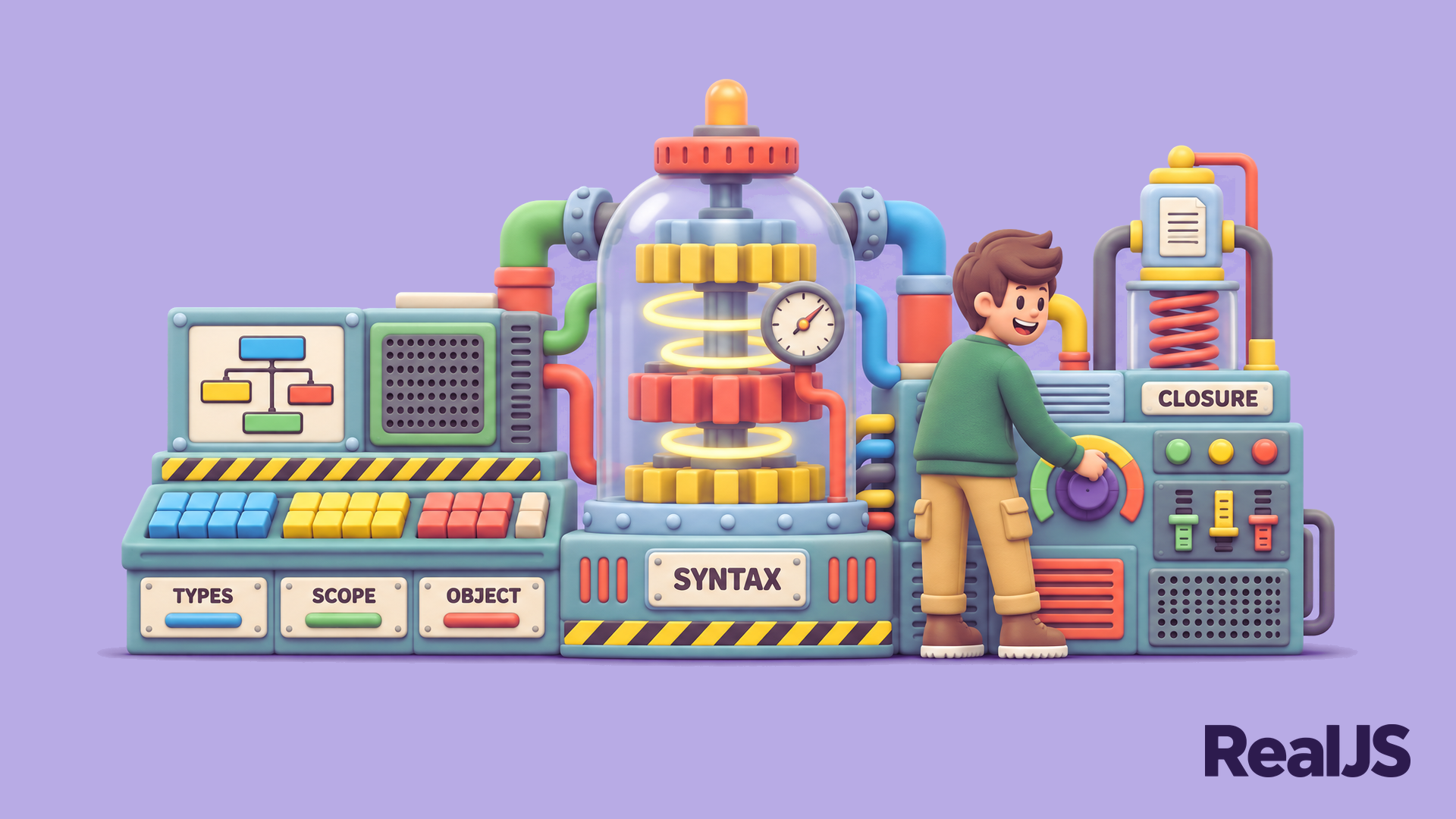
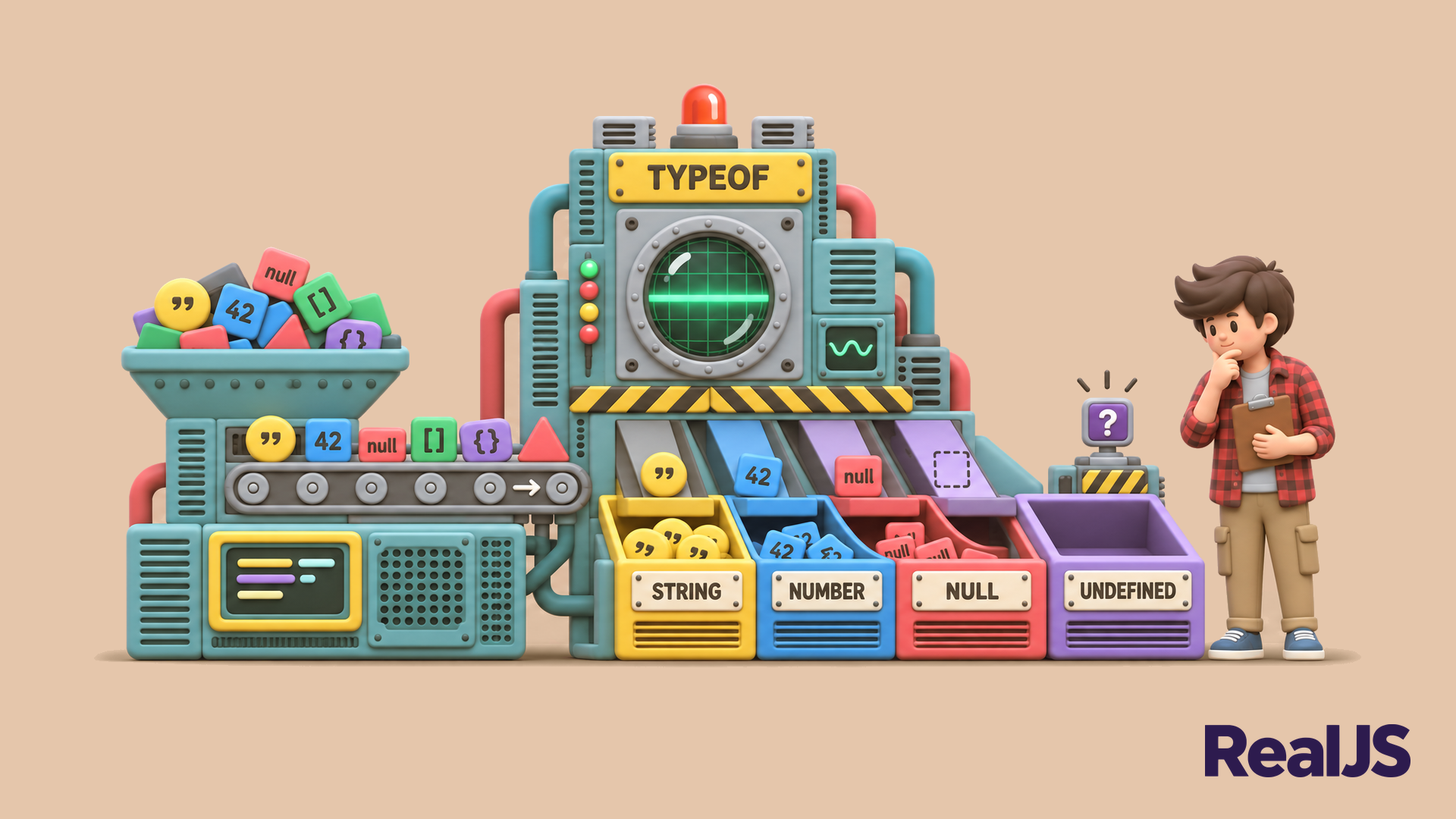
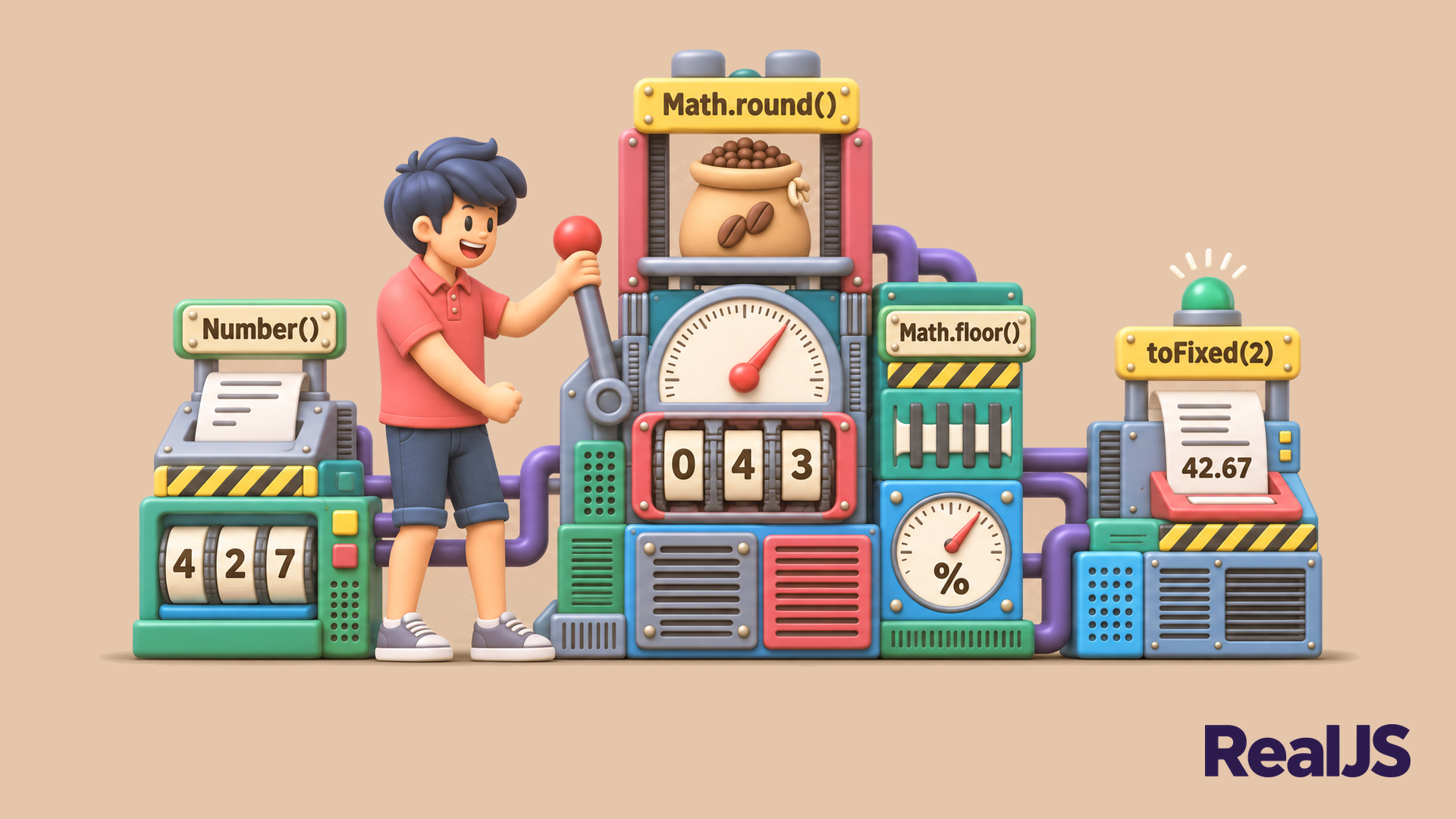
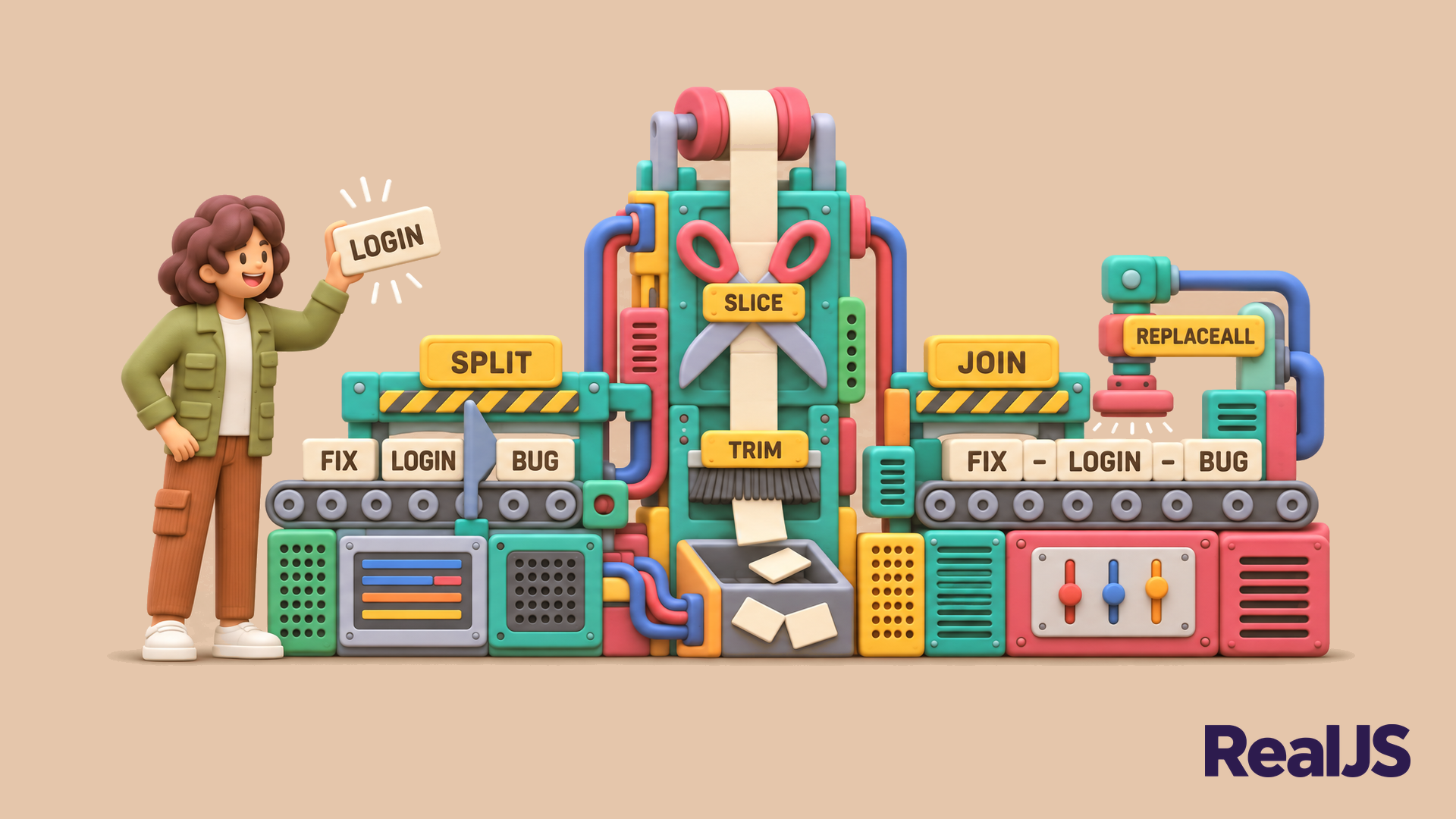
Learning the JavaScript language means getting comfortable with its syntax, data types, operators, and control flow. You declare variables with let and const, work with strings, numbers, arrays, and objects, and write functions that take arguments and return values. Because every browser runs JavaScript, you can try each idea right away in the developer console, with nothing to install.
Free Bonus: JavaScript Cheat Sheet

Variables, arrays, objects, functions, and async basics in one printable reference.
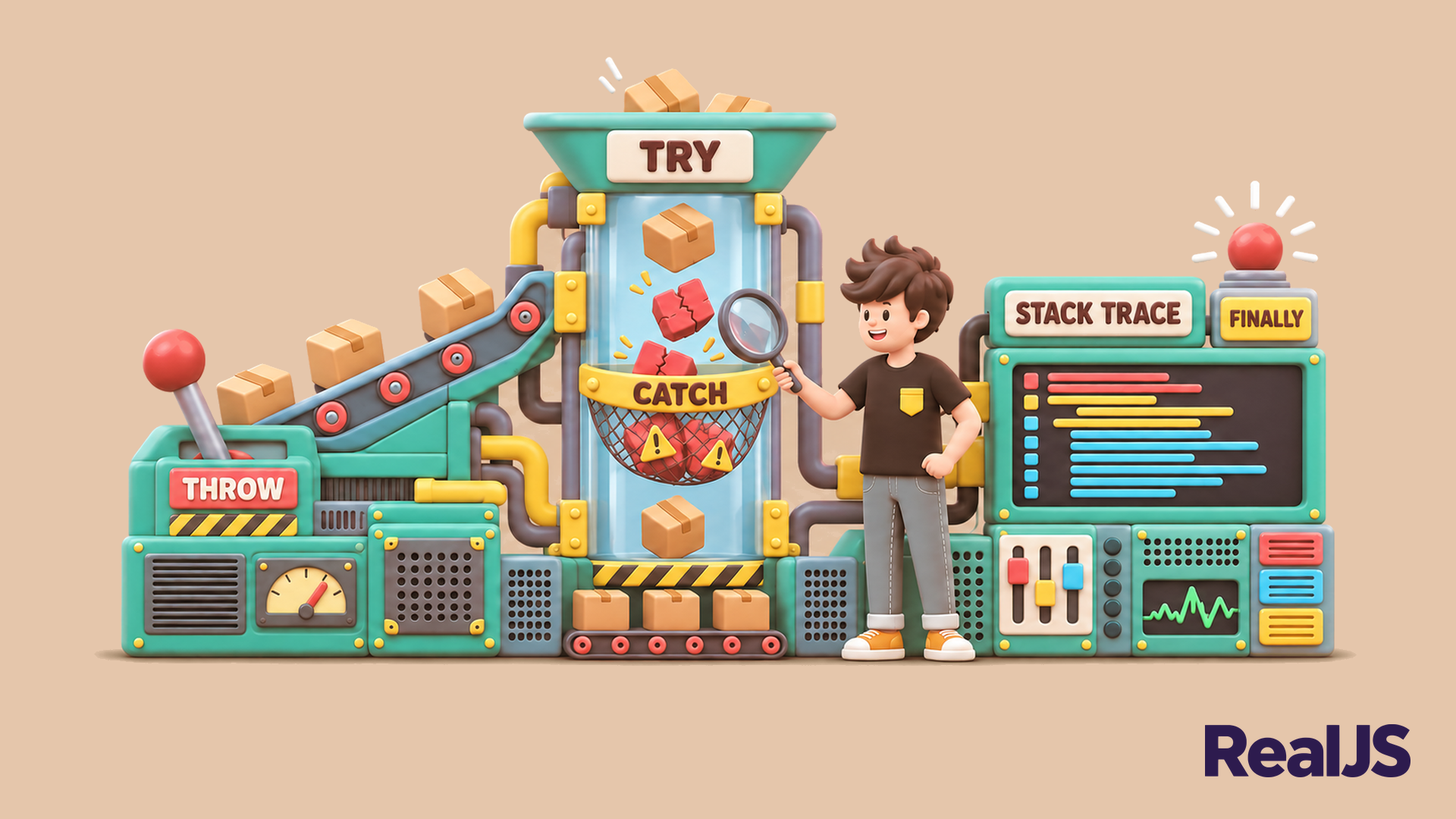
Get the Free Cheat Sheet »From there, you’ll move on to the features that make modern JavaScript expressive: closures and scope, destructuring and the spread syntax, classes and prototypes, modules, and asynchronous code with promises and async/await. These core skills carry over to everything you build with JavaScript, from interactive web pages to Node.js servers and command-line tools.
JavaScript is the programming language of the web: every major browser runs it to make pages interactive. With Node.js, it also runs on servers, in command-line tools, and in desktop apps. That makes it one of the few languages you can use for both the front end and the back end of an application.
Open your browser’s developer console and type a line of code, such as console.log("Hello"). No installation is needed. Then learn variables, data types, conditionals, loops, and functions, and practice by writing small scripts. To find the right starting point, take the JavaScript Skill Test.
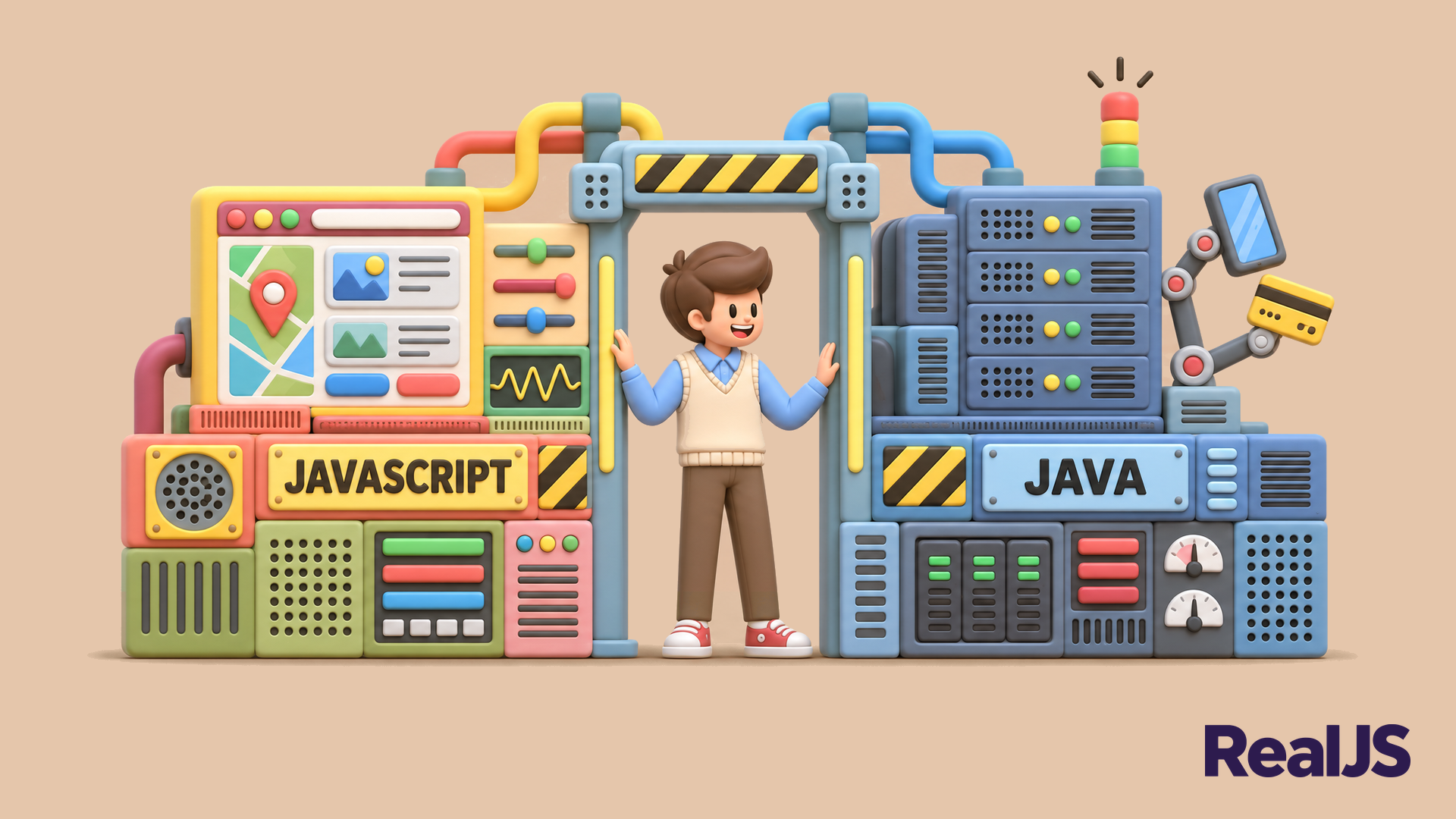
No. Despite the similar names, JavaScript and Java are separate languages with different syntax, type systems, and uses. JavaScript is dynamically typed and runs in browsers and Node.js, while Java is statically typed and compiles to bytecode for the Java Virtual Machine. Read Java vs JavaScript for a detailed comparison.
Yes. AI tools can produce JavaScript quickly, but you still need to read, test, and debug what they write, and decide whether it’s correct. Knowing the core language is what lets you work with AI-generated code confidently. Read Welcome to RealJS for more on why the fundamentals still matter.