Judging and Verifying Code You Didn't Write
Learning Path ⋅ Skills: Reading Unfamiliar Code, Tracing a Feature, Debugging by Hypothesis, Git History and Bisect, Acceptance Criteria, Testing With node:test, Code Review, Triage by Risk, Verifying Changes, Signing Off
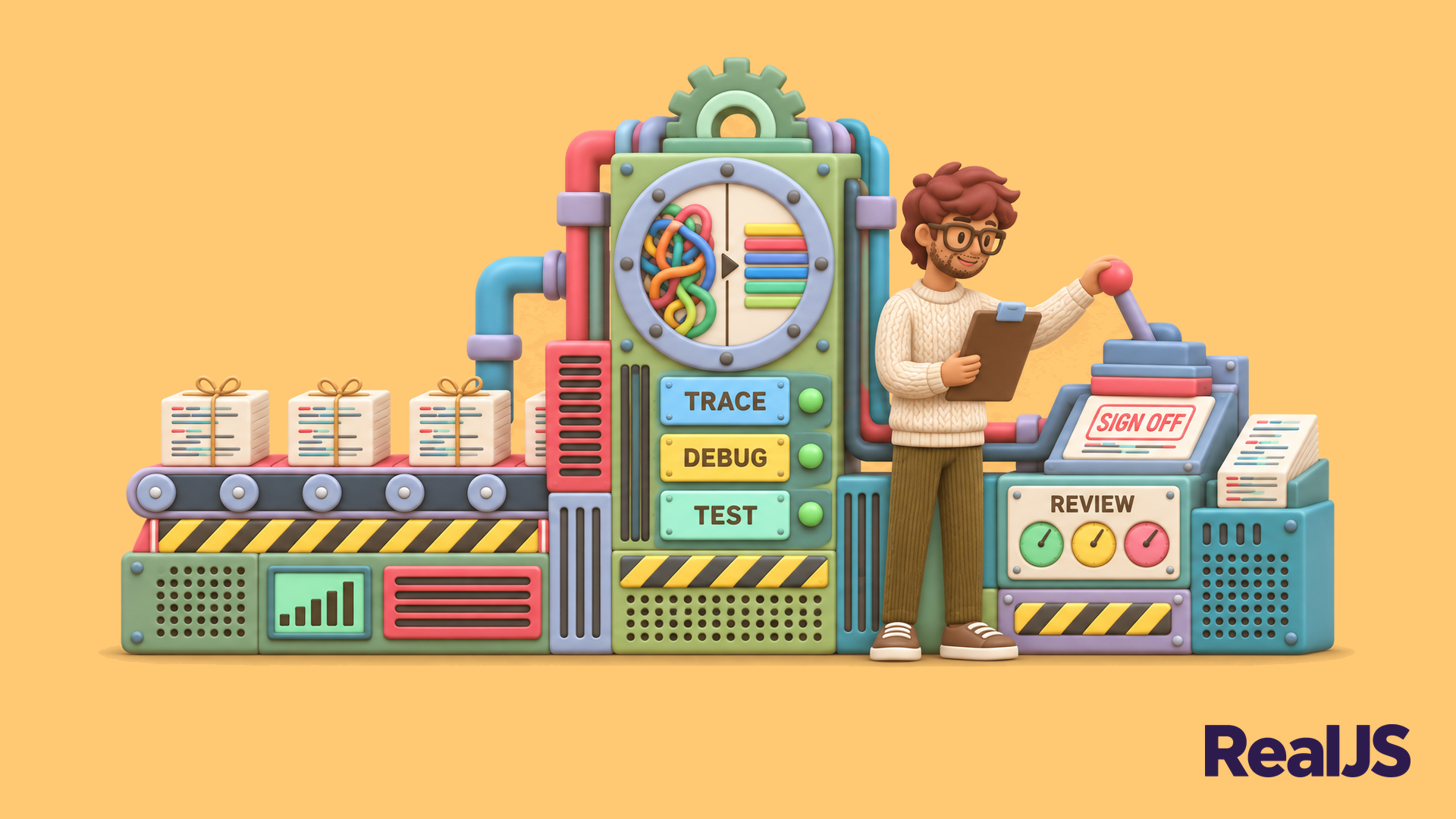
This learning path is for programmers who’ve finished JavaScript basics and can read an error message and log a value. Maybe you’ve just joined a team, or you’ve started working with AI agents and need to own the code they hand back. Either way, someone else wrote the code you’re working on.
The whole path works in one codebase, the order backend of The Second Draft, an independent bookshop. You’ll learn to find your way around it and debug it first. From the third course on, which assumes Intermediate JavaScript, you’ll turn requests into tests, review changes by risk, and gather the evidence to sign them off.
Each course has exercises with automated tests and ends with a project for the shop. By the end, you’ll know how to approach a large codebase you didn’t write, what to look out for, and when you can put your name on a change.
Judging and Verifying Code You Didn't Write
Learning Path ⋅ 6 Resources
Is this path right for you? Mentor AI knows what’s in it and can help you decide where to begin.
Ask Mentor AI

Find Your Way Around an Unfamiliar Codebase
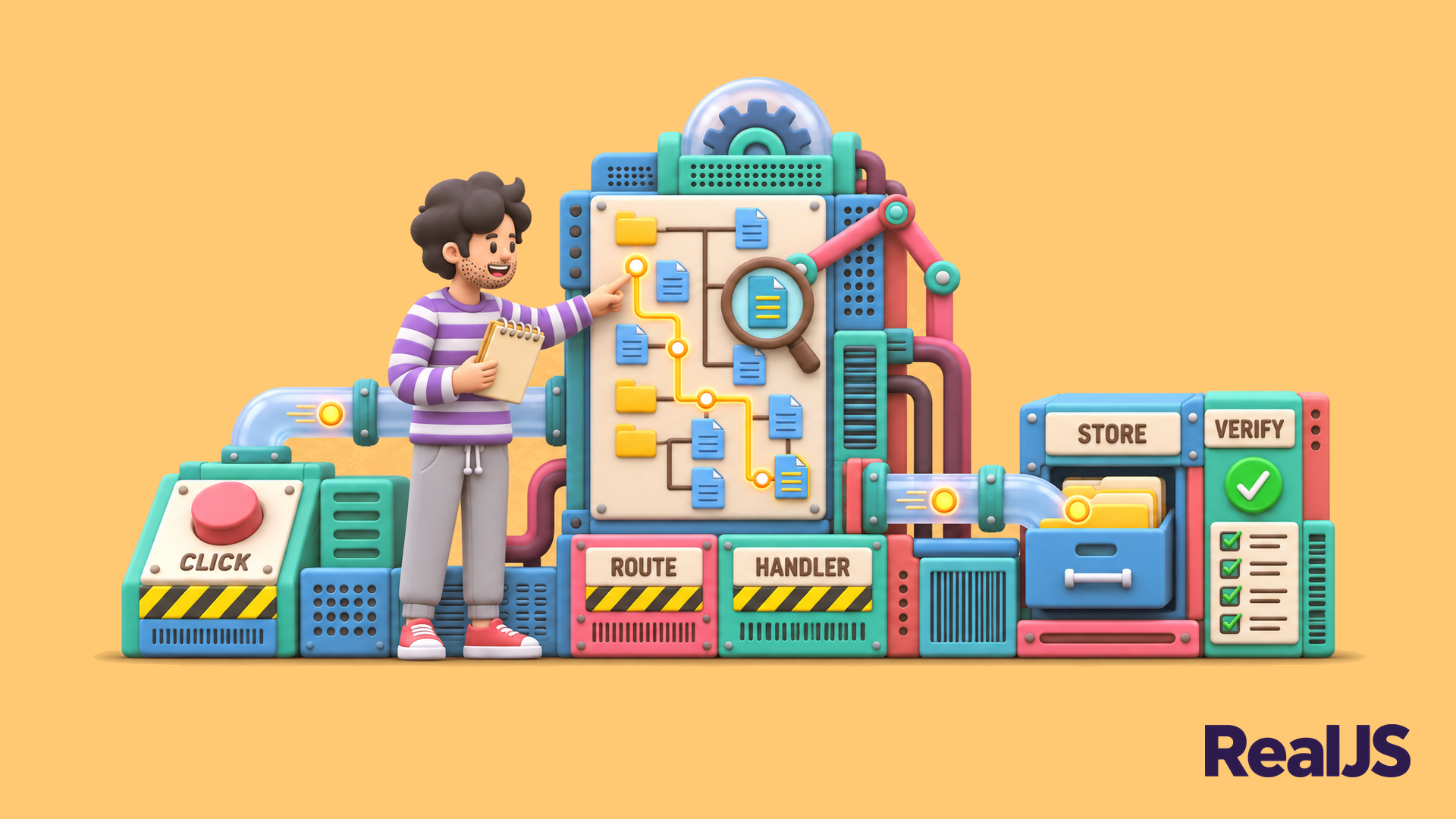
It’s your first day at The Second Draft, and the code is new to you. You’ll run the shop’s project, trace a discount from the order form to the stored order, and check an explanation, including one from Code Mentor, against the code and a run.
Course
Finding Your Way Around a Codebase You Didn't Write
Trace a feature of an unfamiliar JavaScript codebase from a click to the stored data, then check every explanation against the code and a run.
Debug and Fix Code You Didn't Write
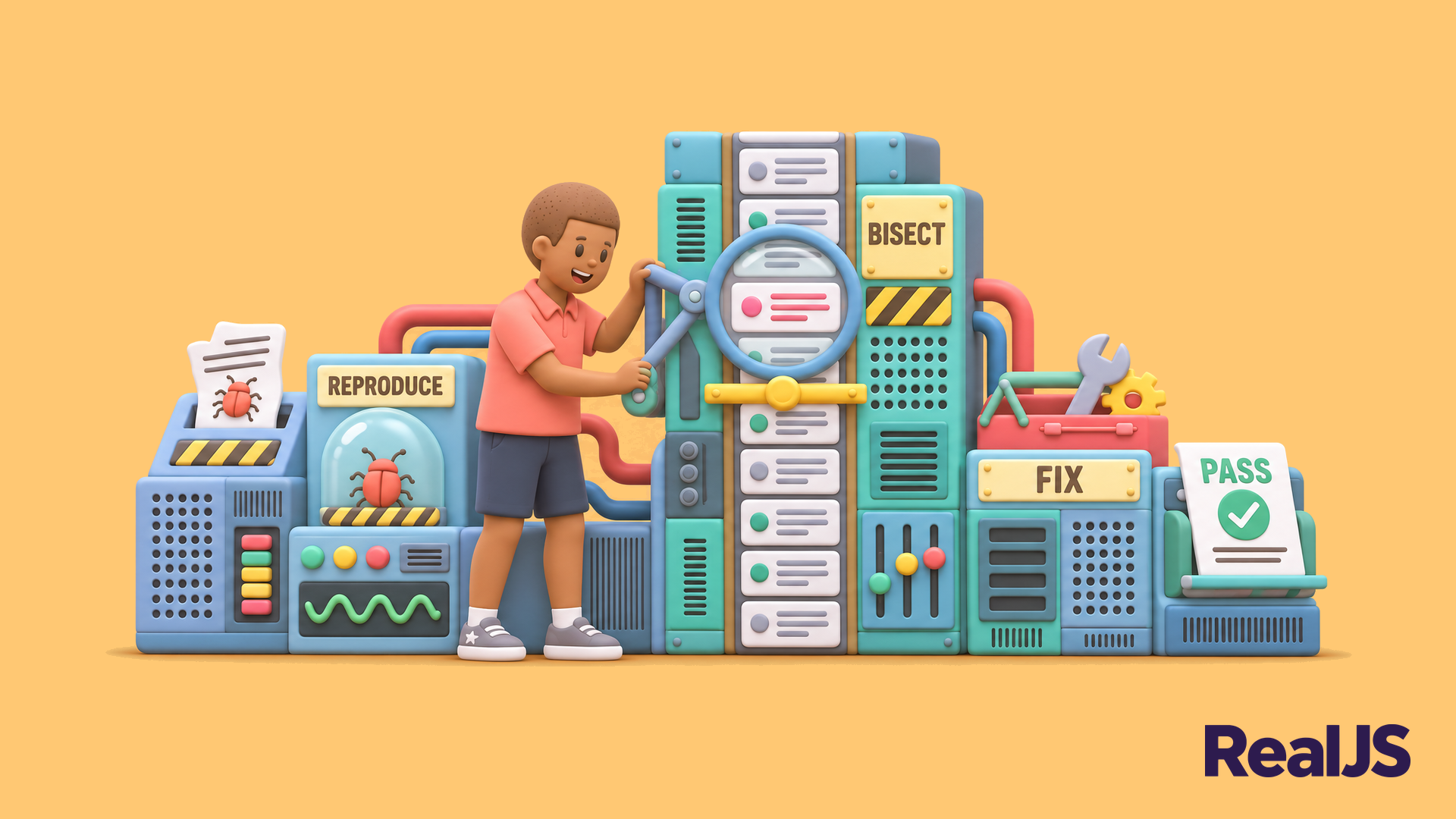
Next, two bug reports arrive about the same code. You’ll reproduce each one, log values where modules meet, and ask the Git history when and why the code changed. Then you’ll fix only the cause, with a check that fails before the fix and passes after it.
Course
Debugging Code You Didn't Write
Take two bug reports in an unfamiliar JavaScript codebase to checked fixes: reproduce each bug, locate it at the seams, ask the Git history when and why it changed, and fix only the cause.
Decide What Correct Means
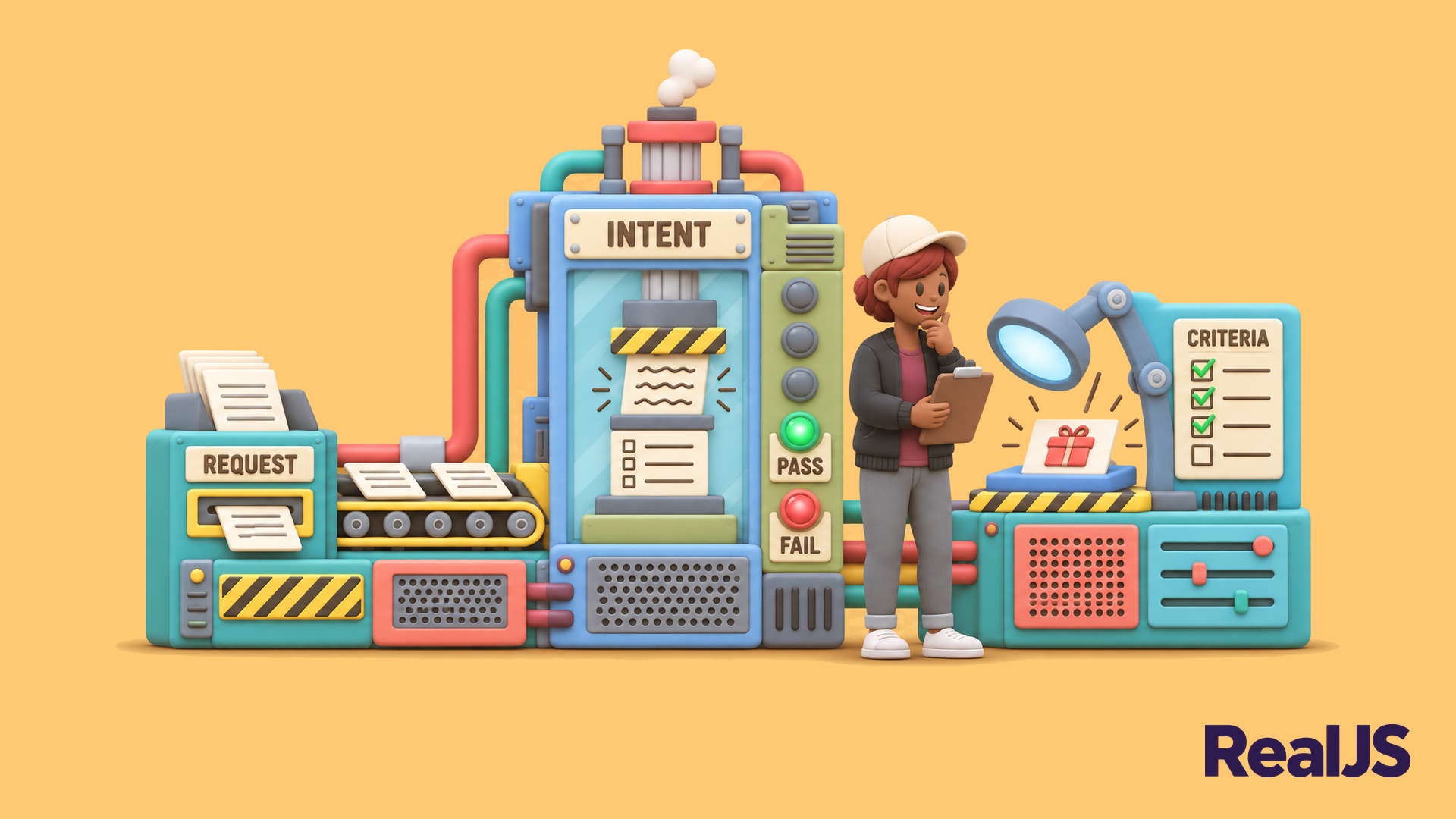
From here on, the courses assume Intermediate JavaScript. Before you can judge a change, you need to know what it should do. You’ll turn a one-line request into acceptance criteria, write tests with node:test that you’ve seen fail, and check a gift-card change from Quill, the team’s AI agent, against them.
Course
Intent and Acceptance: Knowing What "Correct" Means
Turn a one-line request into a precise statement of intent, checkable acceptance criteria and tests you've seen fail, then use them to judge whether someone else's change does what was asked.
Review and Verify Changes Before They Ship
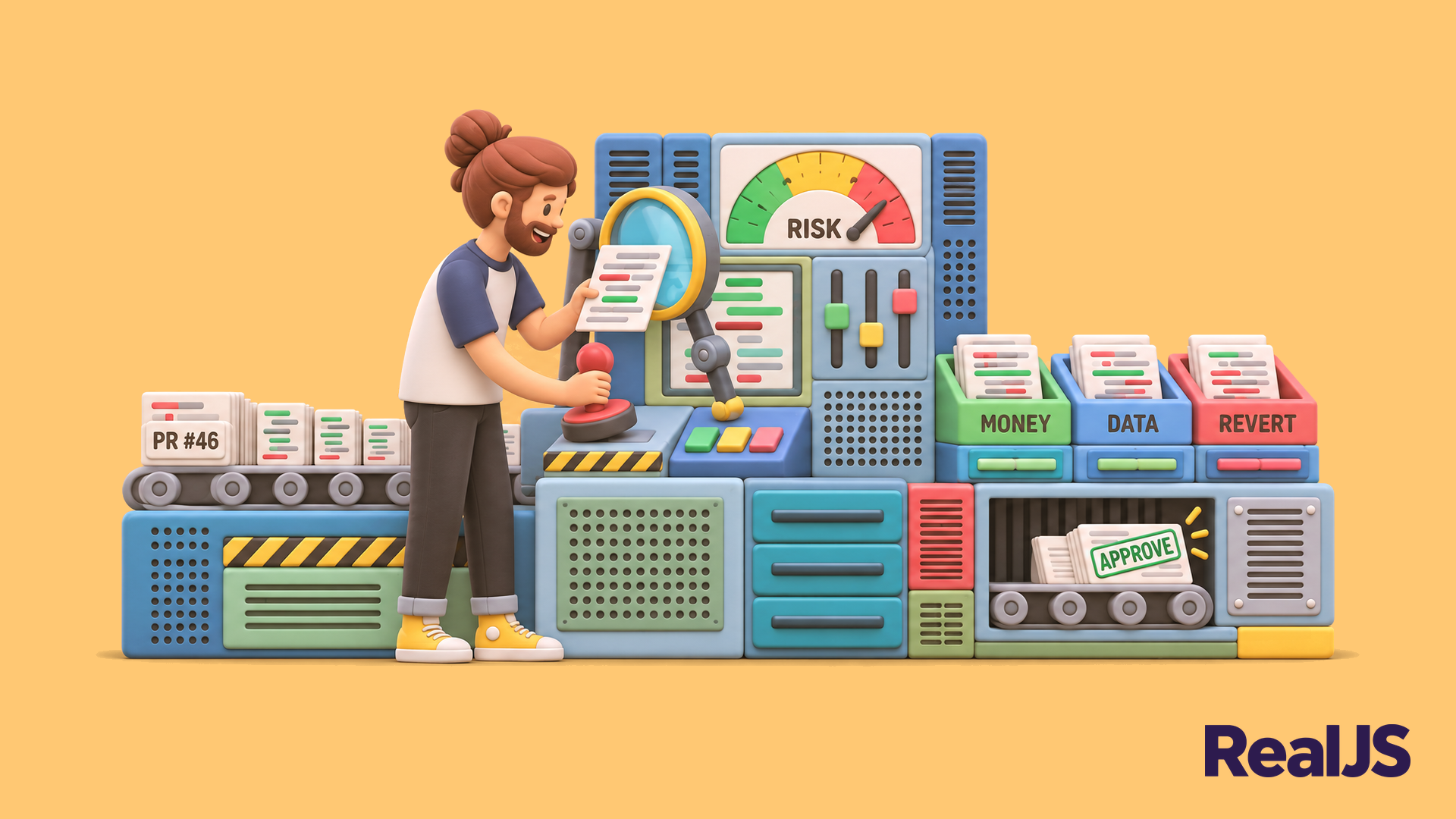
With criteria to check against, you’re ready to judge other people’s changes. You’ll triage a queue of pull requests by risk and give verdicts the author can act on. Then you’ll design checks that could fail, compare a change before and after, and tell Grace whether it can go live.
Course
Reviewing Changes by Risk
Triage a queue of pull requests by risk, read the risky ones closely and run them, check each change against its intent, and give verdicts with comments the author can act on.

Course
Verifying With Evidence: Can You Put Your Name on It?
Design checks that could fail, aim them at a change's riskiest claims, observe what the running system stores, and sign off or push back, saying what you verified and what you didn't.
Test Your Knowledge
You’ve worked through every stage, from tracing a feature to signing off a change. The wrap-up quiz below revisits reading unfamiliar code, debugging by hypothesis, acceptance criteria, reviewing by risk, and verifying with evidence.
Interactive Quiz
Judging and Verifying Code You Didn't Write
Check what you learned in the Judging and Verifying Code You Didn't Write path, from tracing a feature and debugging to review and sign-off.
Congratulations on completing this learning path! You can now find your way around a codebase you didn’t write and debug it one hypothesis at a time, with help from the Git history. You turn requests into criteria and tests, review changes by risk, and sign off only on what your evidence supports.
You might also be interested in these related learning paths:
Got feedback on this learning path?
Looking for real-time conversation? Visit the RealJS Community Chat or join the next “Office Hours” Live Q&A Session. Happy coding!
